

Canes & Crutches Canada
Read the buying guideBuying guide- No GST or HST at checkout
- Free shipping over $100
- Arrives in 4 to 9 business days
-
 16% offDrive Medical
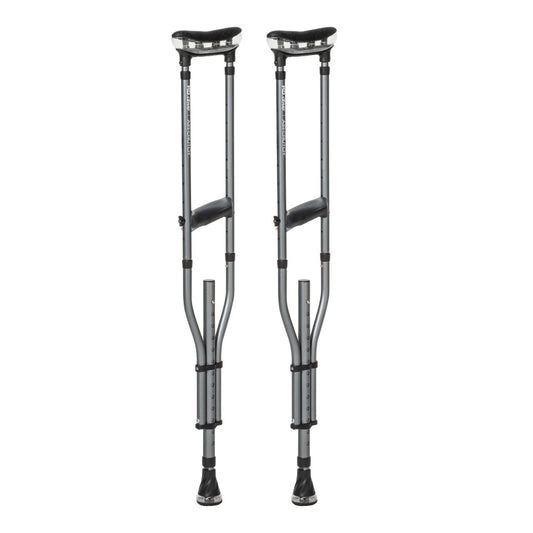
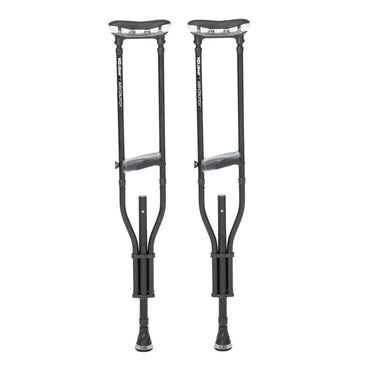
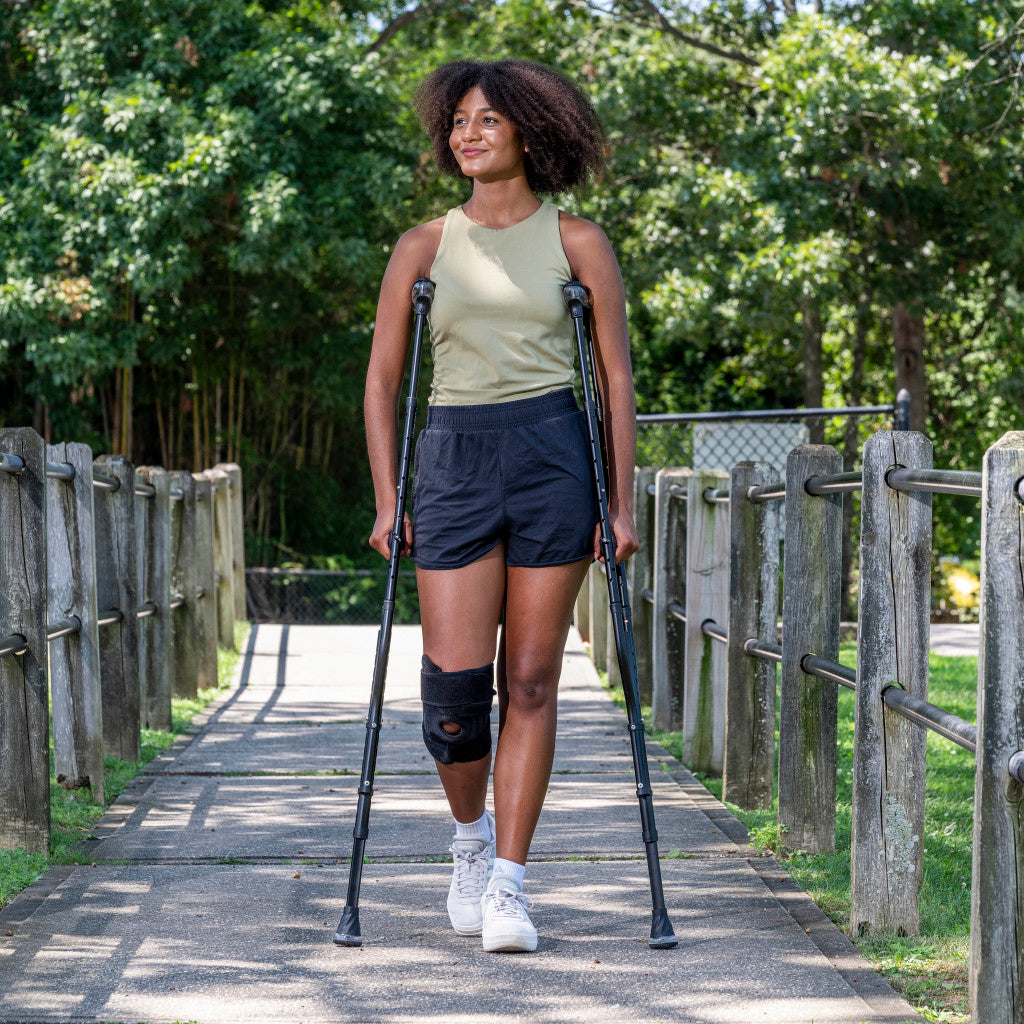
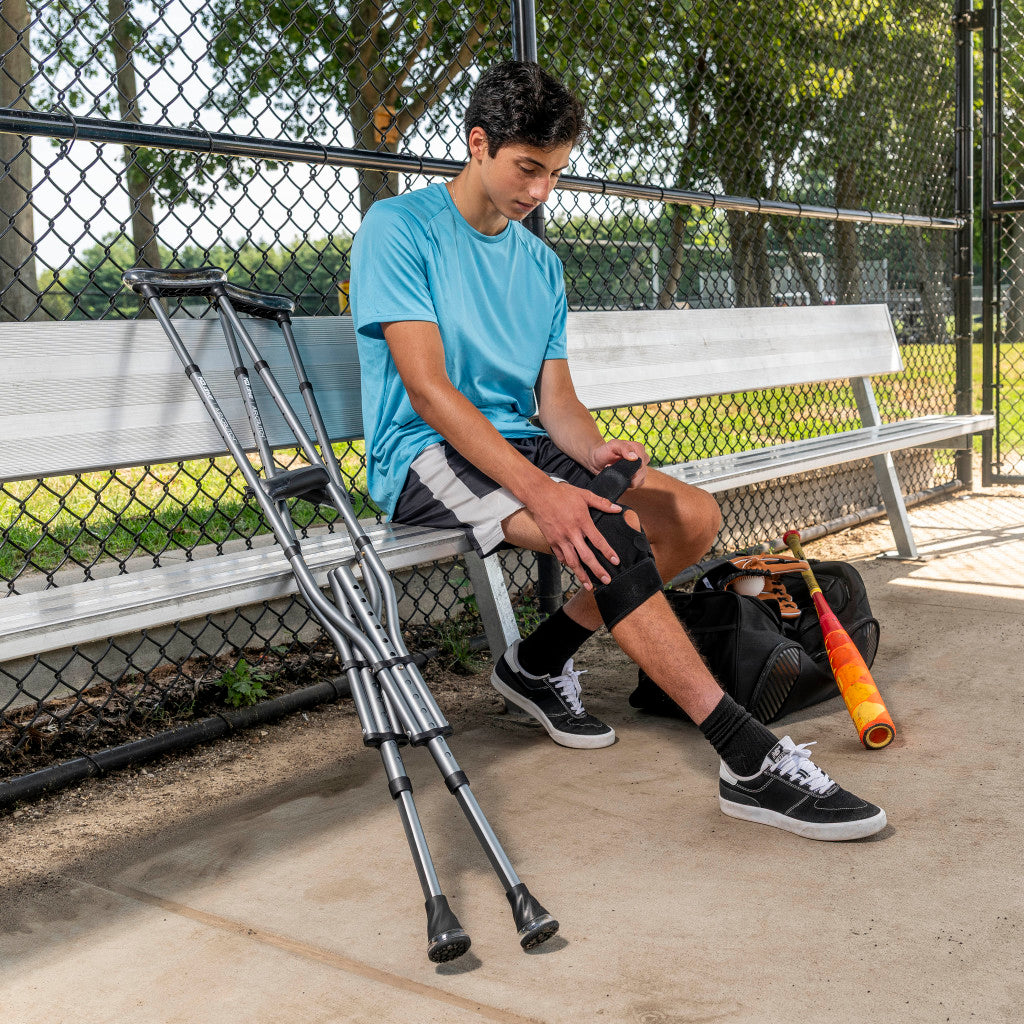
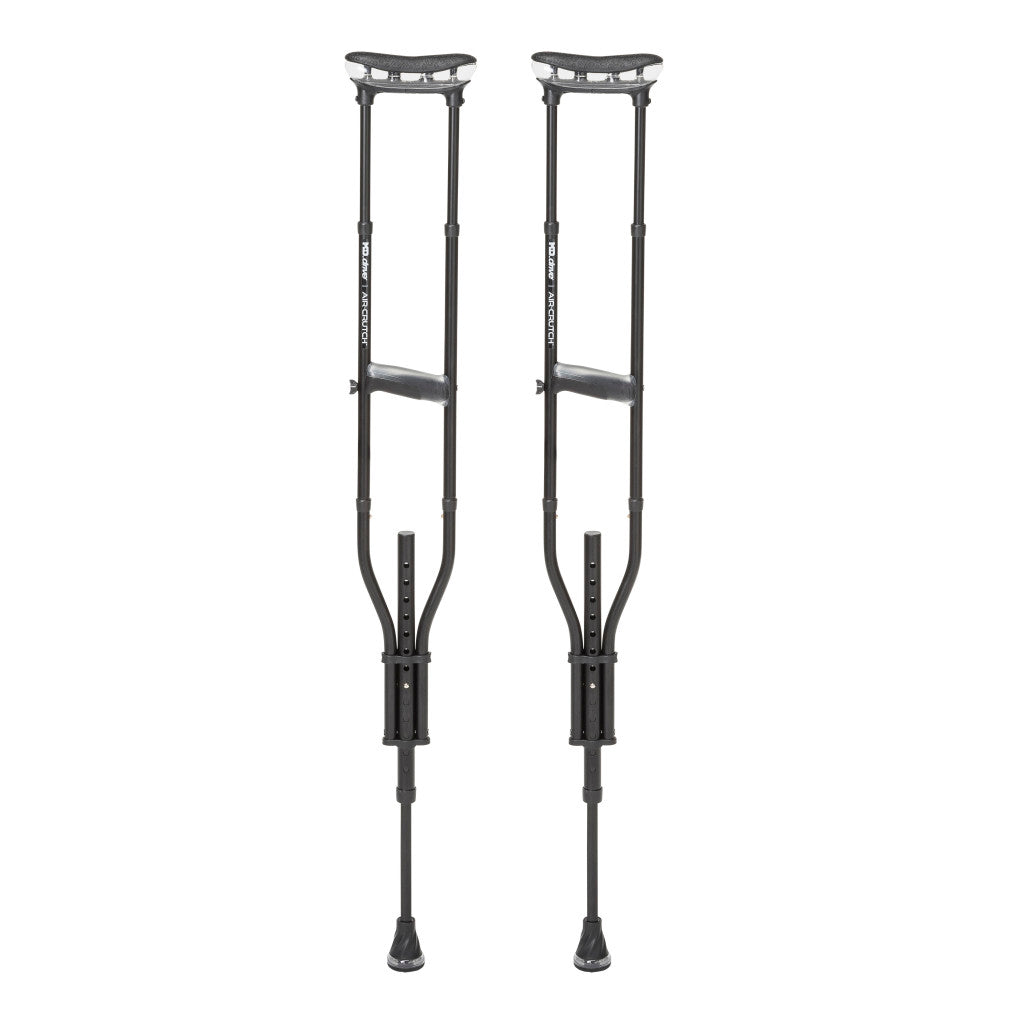
Drive Medical MD by Drive Air Crutch, Adjustable Underarm Crutches Canada
Regular price $150.00 CADSale price $150.00 CAD Regular price $179.00 CADUnit price perDrive Medical MD by Drive Air-Crutch – Adjustable Underarm Crutches The MD by Drive Air-Crutch is a premium underarm crutch designed to improve comfort, reduce pressure,...
-

 16% offDrive Medical
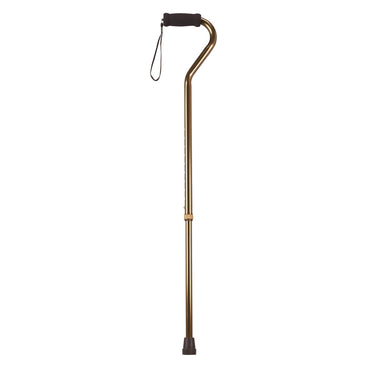
Drive Medical Adjustable Aluminum Offset Cane
Regular price $49.00 CADSale price $49.00 CAD Regular price $59.00 CADUnit price perDrive Medical Adjustable Aluminum Offset Cane A lightweight, dependable walking cane built for everyday balance and stability. The offset handle puts your weight directly over the...
-


 17% offDrive Medical
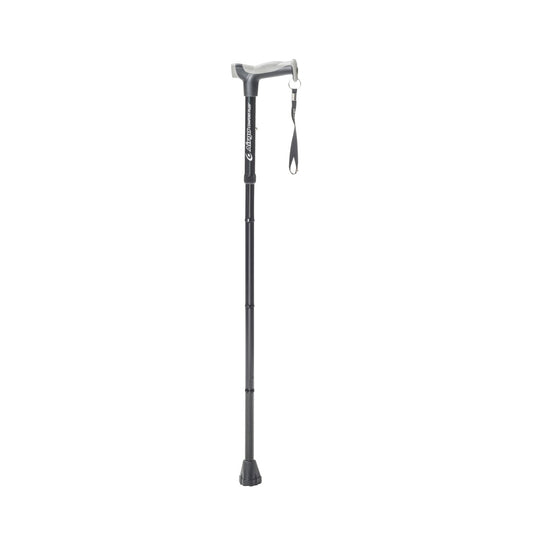
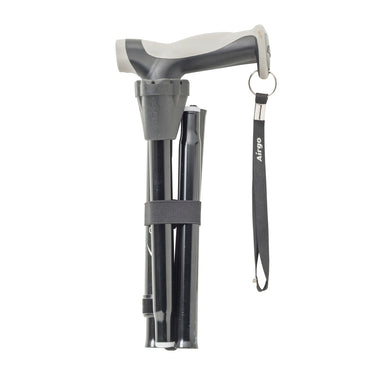
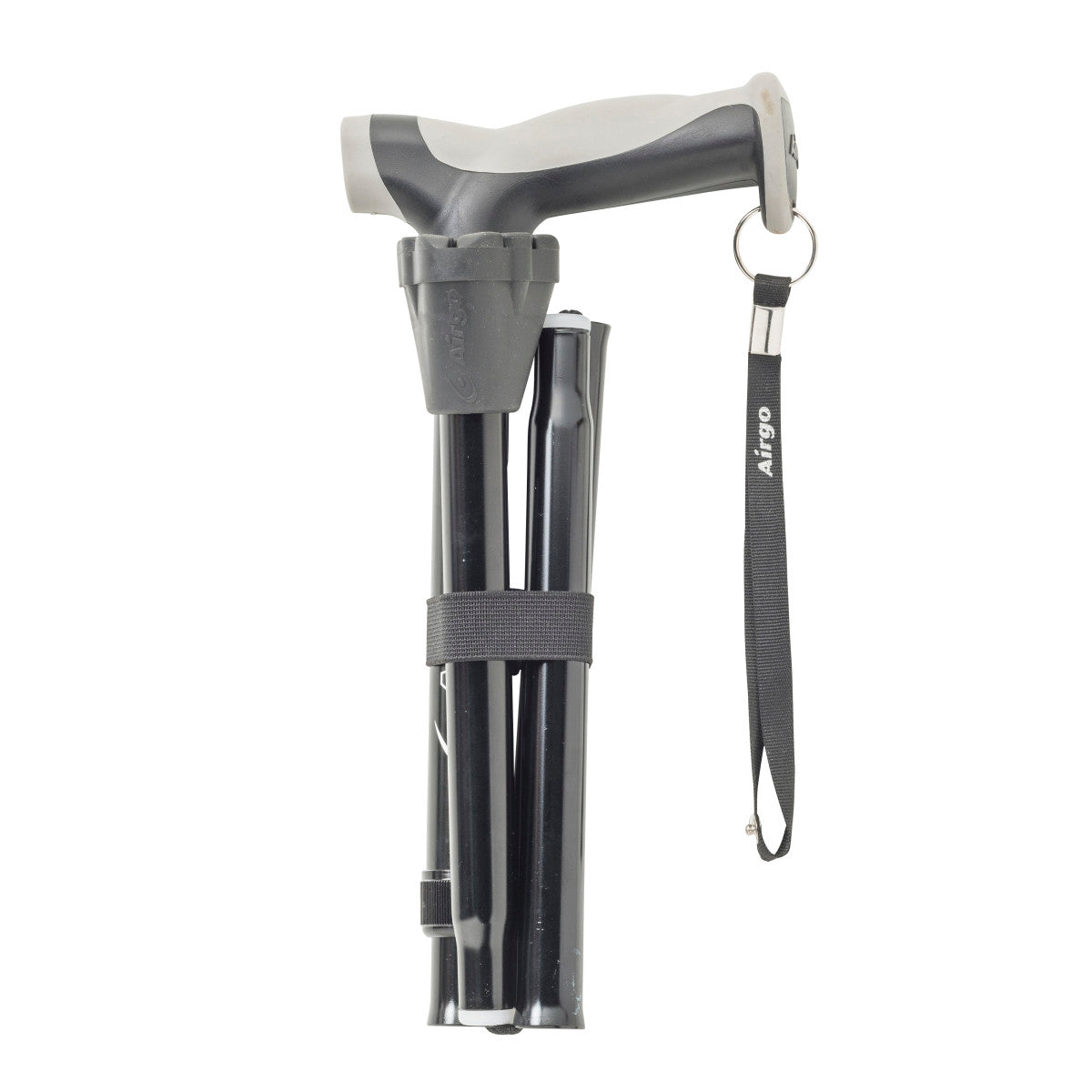
Airgo Comfort-Plus Folding Cane
Regular price $69.00 CADSale price $69.00 CAD Regular price $84.00 CADUnit price perAirgo Comfort-Plus Folding Cane A premium folding cane from Airgo by Drive Medical. The cushioned soft grip is a noticeable comfort upgrade over standard foam-grip canes,...
-
 22% offDrive Medical
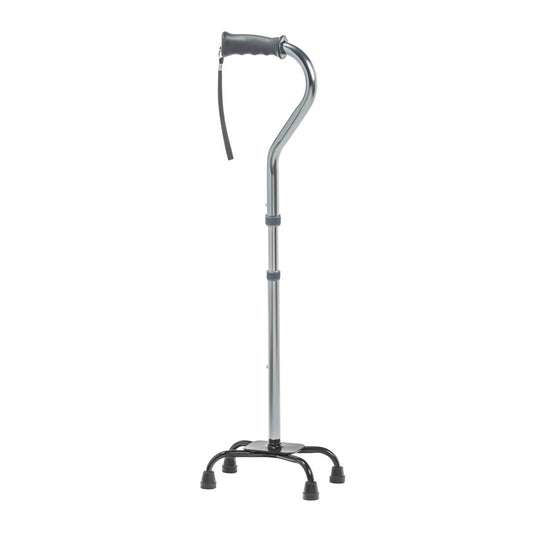
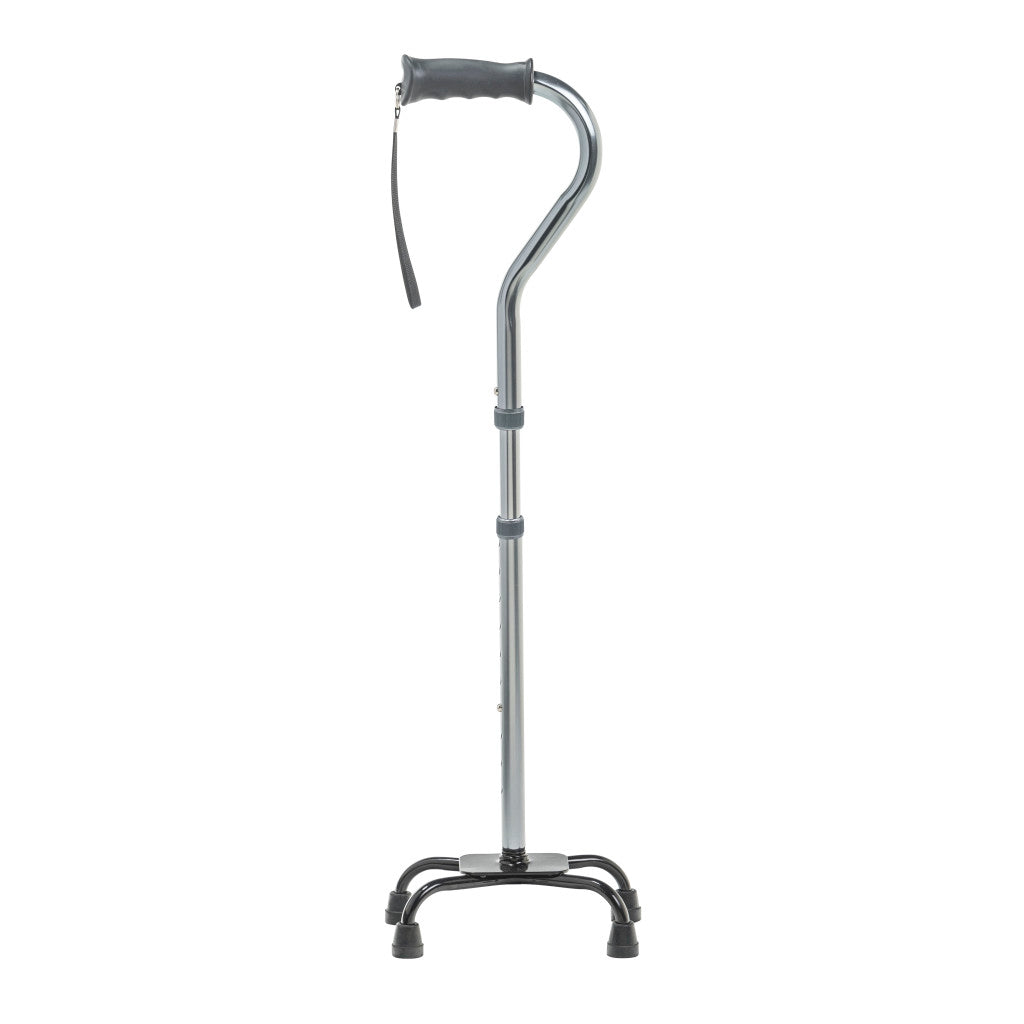
Drive Medical Folding Quad Cane, Small Base
Regular price $69.00 CADSale price $69.00 CAD Regular price $89.00 CADUnit price perDrive Medical Folding Quad Cane, Small Base A four-point quad cane that adds significantly more stability than a standard single-tip cane, while keeping the small footprint...
-
 20% offDrive Medical
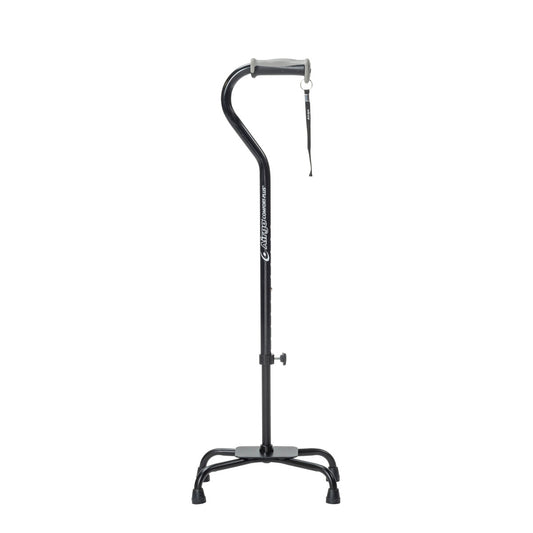
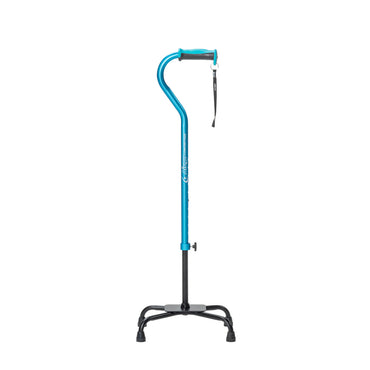
Drive Medical Quad Cane, Large Base
Regular price $79.00 CADSale price $79.00 CAD Regular price $99.00 CADUnit price perDrive Medical Quad Cane, Large Base A heavy-duty quad cane with a wider four-point base for maximum stability and self-standing balance. The right choice when reliable...
-
 16% offDrive Medical
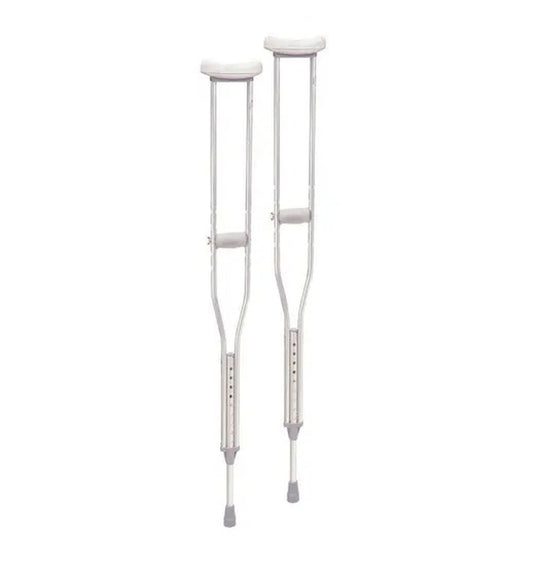
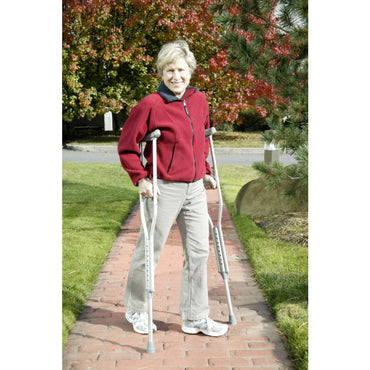
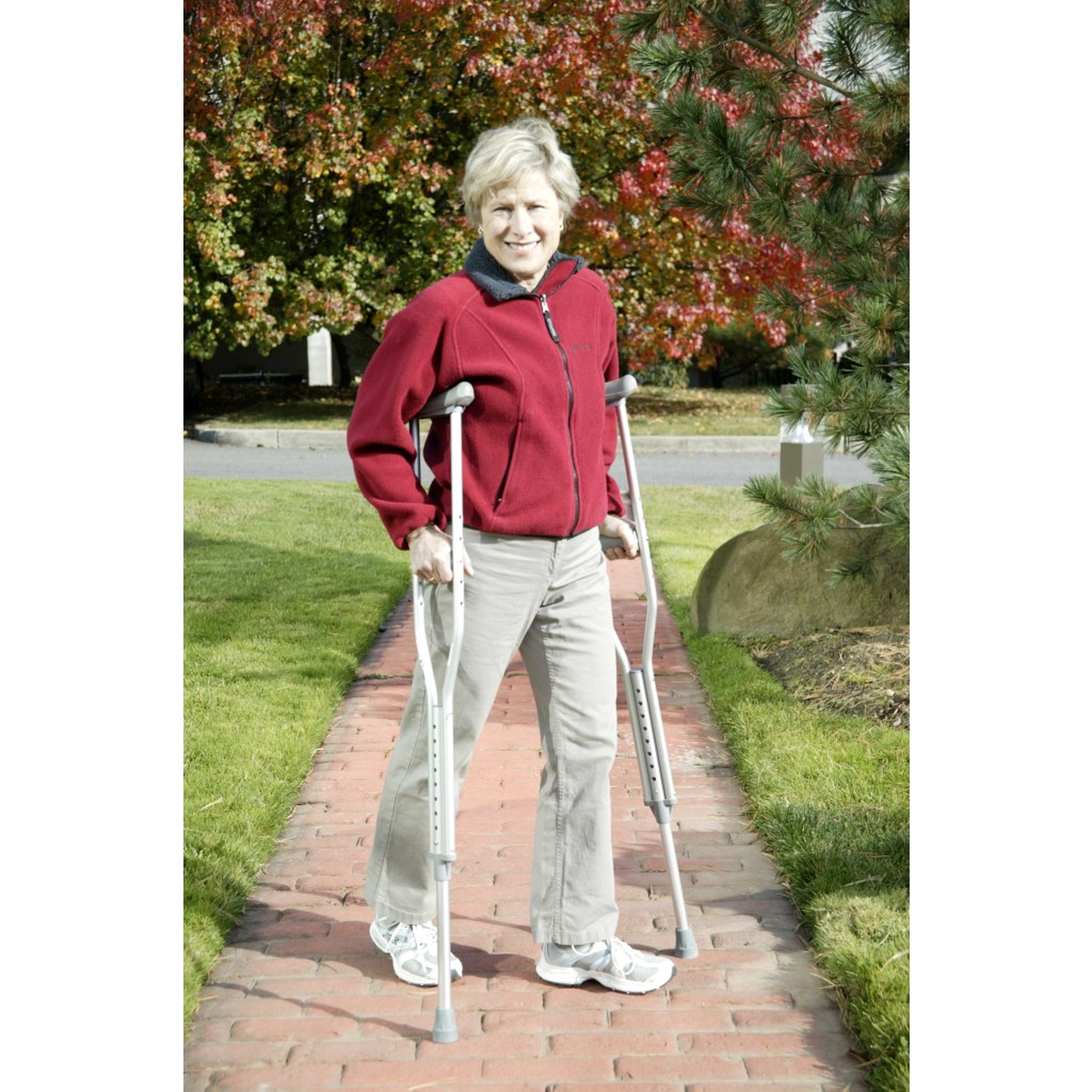
Drive Medical Aluminum Underarm Crutches (Pair)
Regular price $74.00 CADSale price $74.00 CAD Regular price $89.00 CADUnit price perDrive Medical Aluminum Adult Underarm Crutches The classic underarm crutch design, made from lightweight aluminum for everyday use. Adjustable height and underarm pad placement to fit...
-
 20% offDrive Medical
Drive Medical Adult Steel Forearm Crutches (Pair)
Regular price $99.00 CADSale price $99.00 CAD Regular price $124.00 CADUnit price perDrive Medical Adult Steel Forearm Crutches Heavy-duty forearm crutches built from durable steel, designed for long-term daily use. Independently adjustable leg and forearm sections give you...
-


 18% offDrive Medical
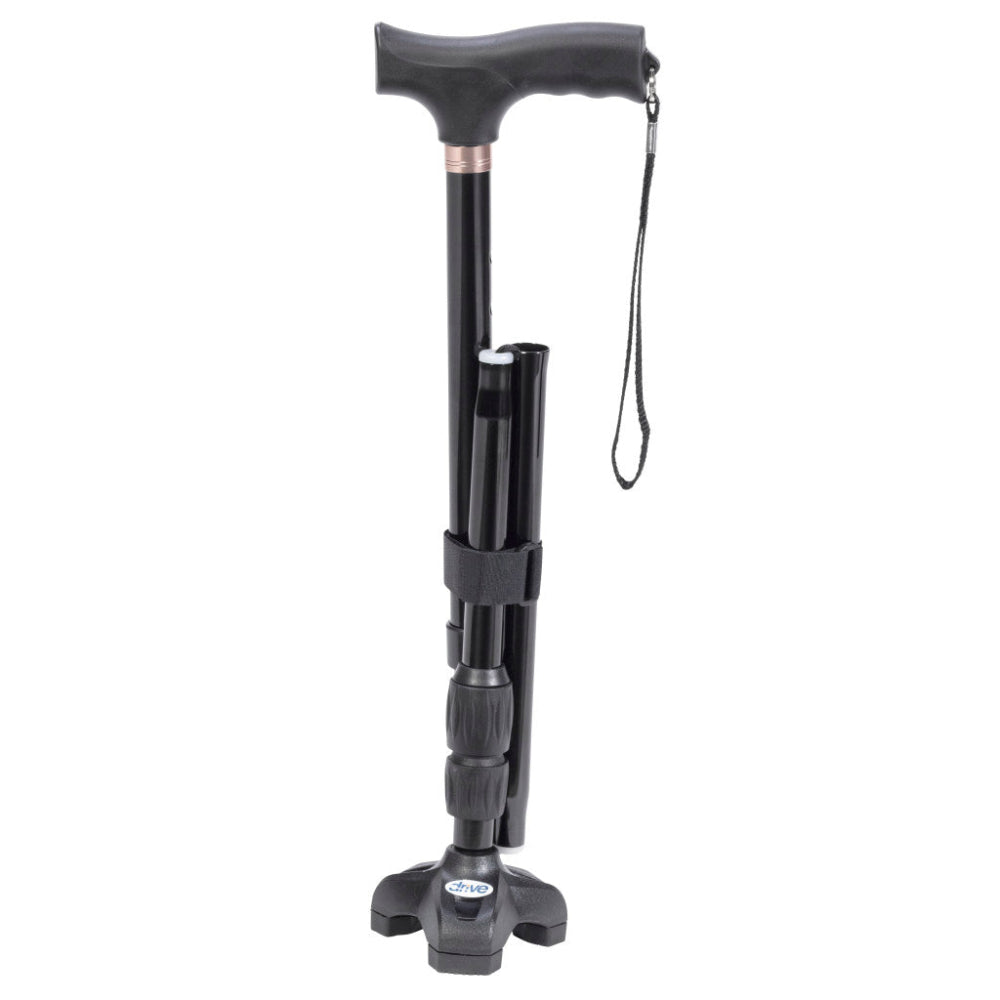
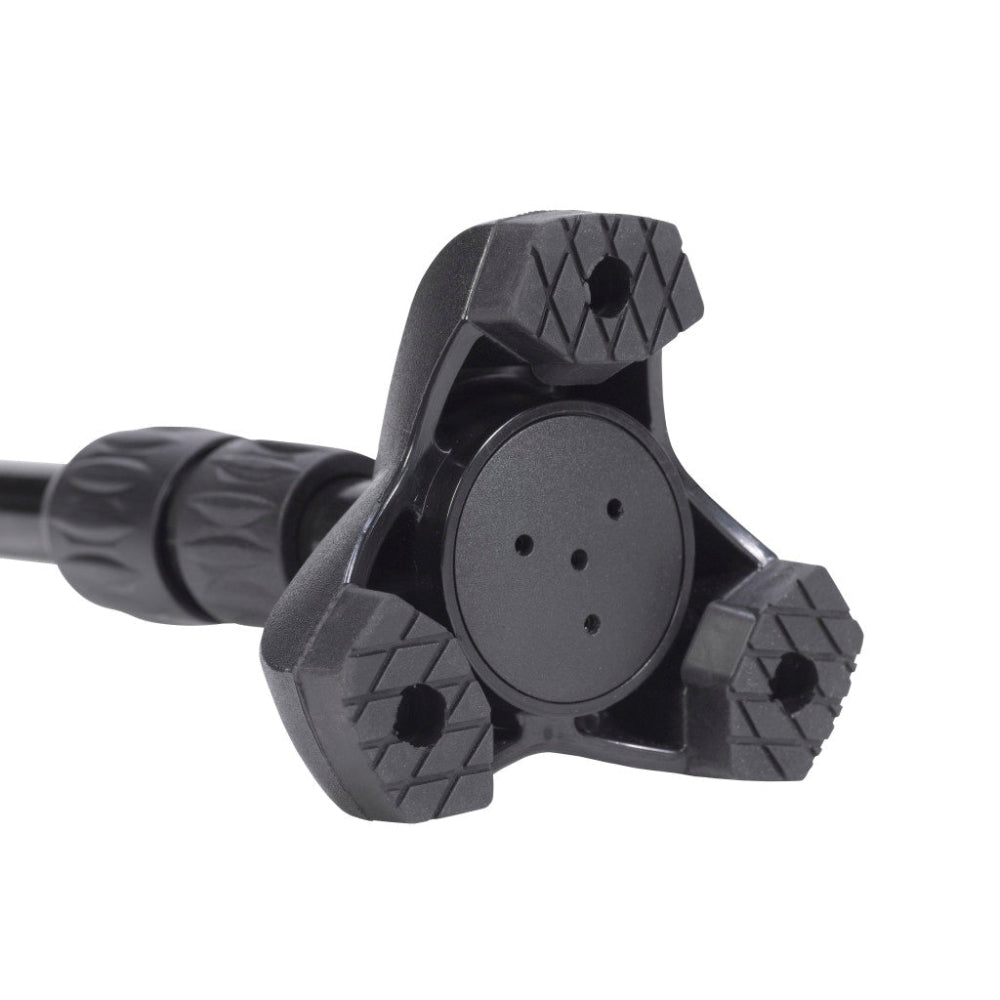
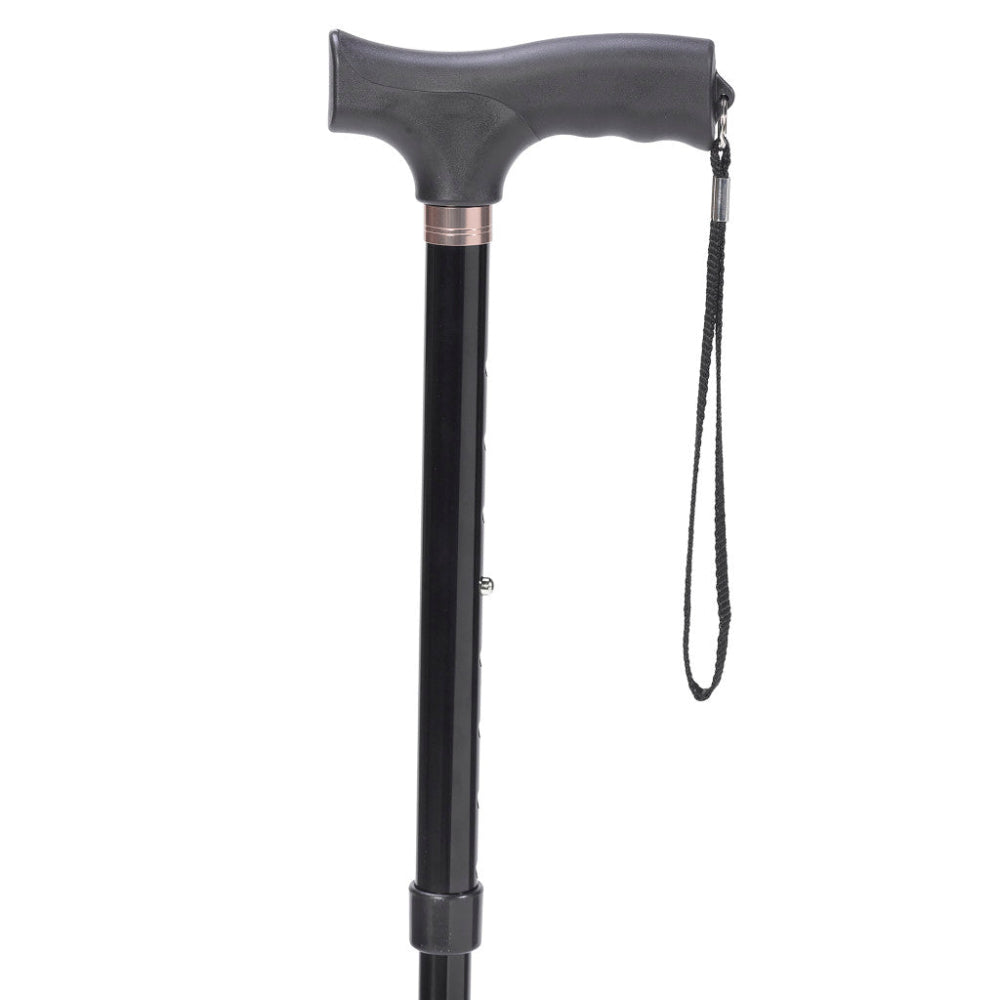
Drive Medical Flex N Go Cane
Regular price $89.00 CADSale price $89.00 CAD Regular price $109.00 CADUnit price perDrive Medical Flex N Go Cane The best of both worlds in one cane: folds compact for travel AND has a small self-standing base that keeps...
-
 Ossenberg
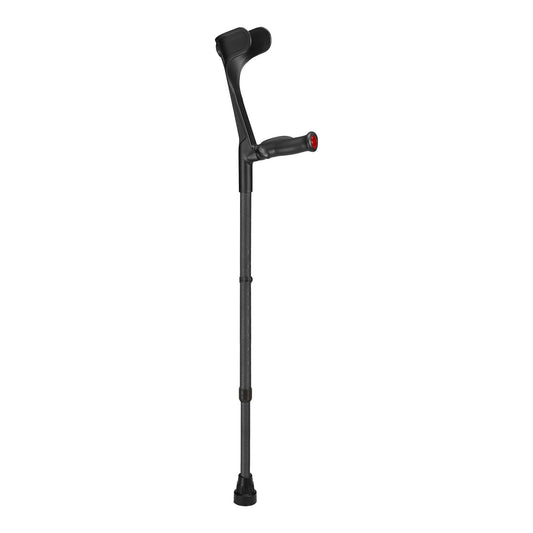
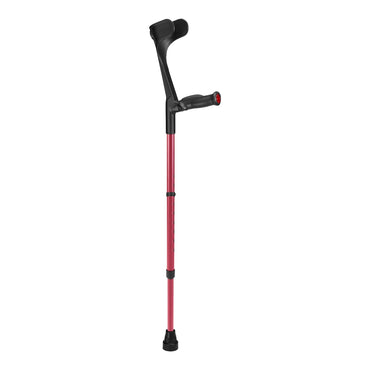
Ossenberg Classic Forearm Crutches (Pair), Open Cuff, Anatomic Soft Grip, Canada
Regular price $139.99 CADSale price $139.99 CAD Regular priceUnit price perOssenberg Classic Forearm Crutches (Open Cuff, Anatomic Soft Grip) The Ossenberg Classic is a German engineered forearm crutch built from lightweight aluminum, designed for comfortable everyday...
-
 Ossenberg
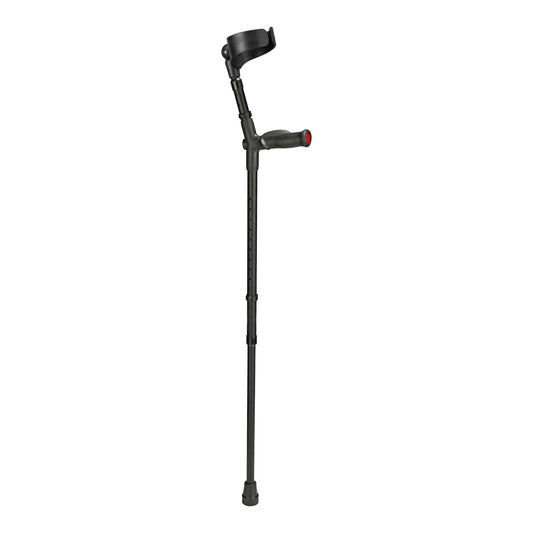
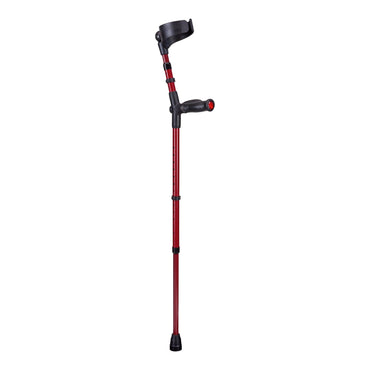
Ossenberg BIG XL Forearm Crutches (Pair), Closed-Cuff, Hands-Free Hold, Canada
Regular price $189.99 CADSale price $189.99 CAD Regular priceUnit price perOssenberg BIG XL Forearm Crutches (Closed Cuff, Hands-Free Hold) The Ossenberg BIG XL is a German engineered forearm crutch built around one standout feature: a closed...
-
 Drive Medical
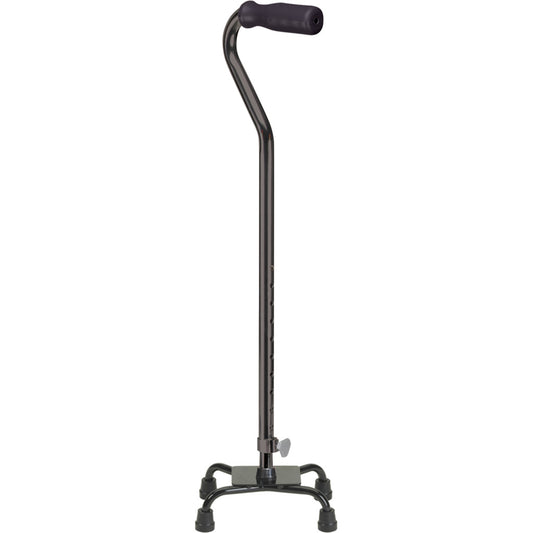
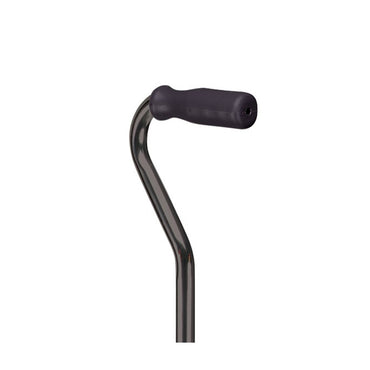
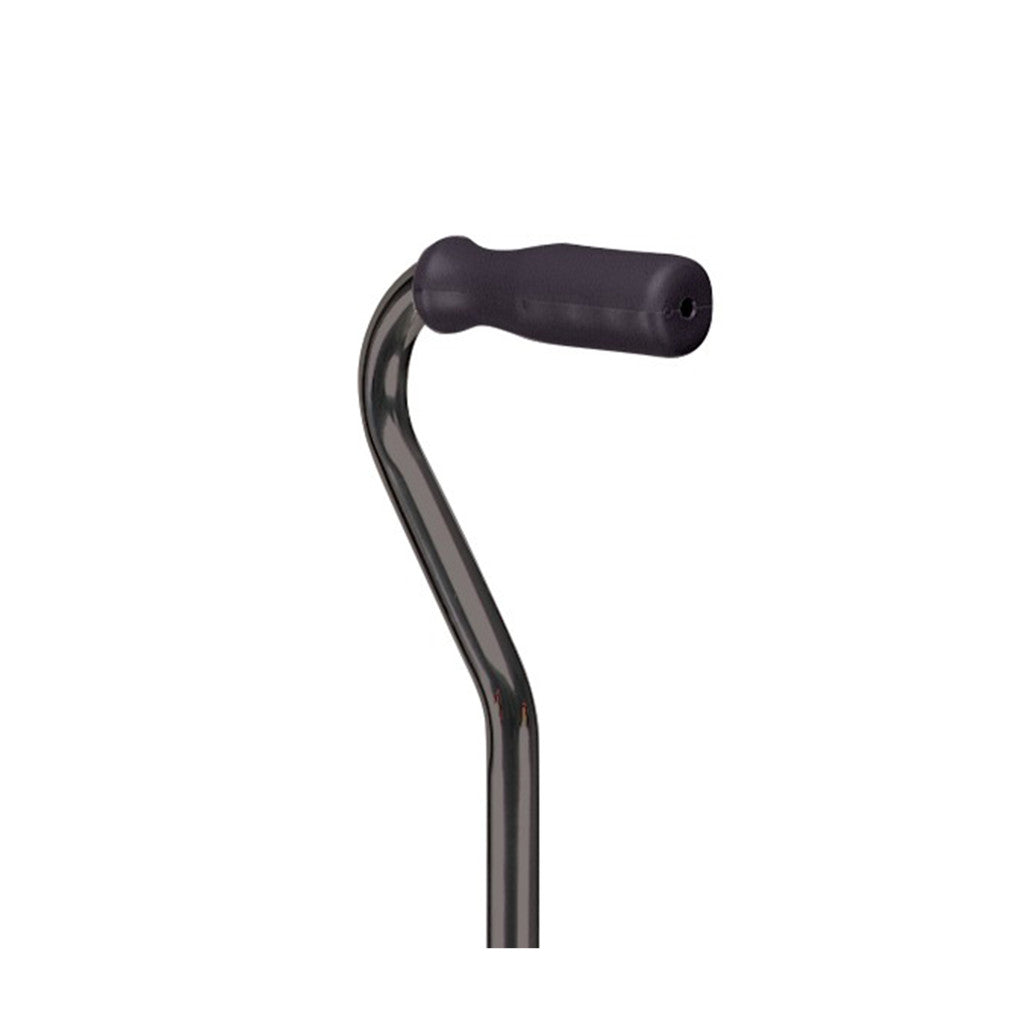
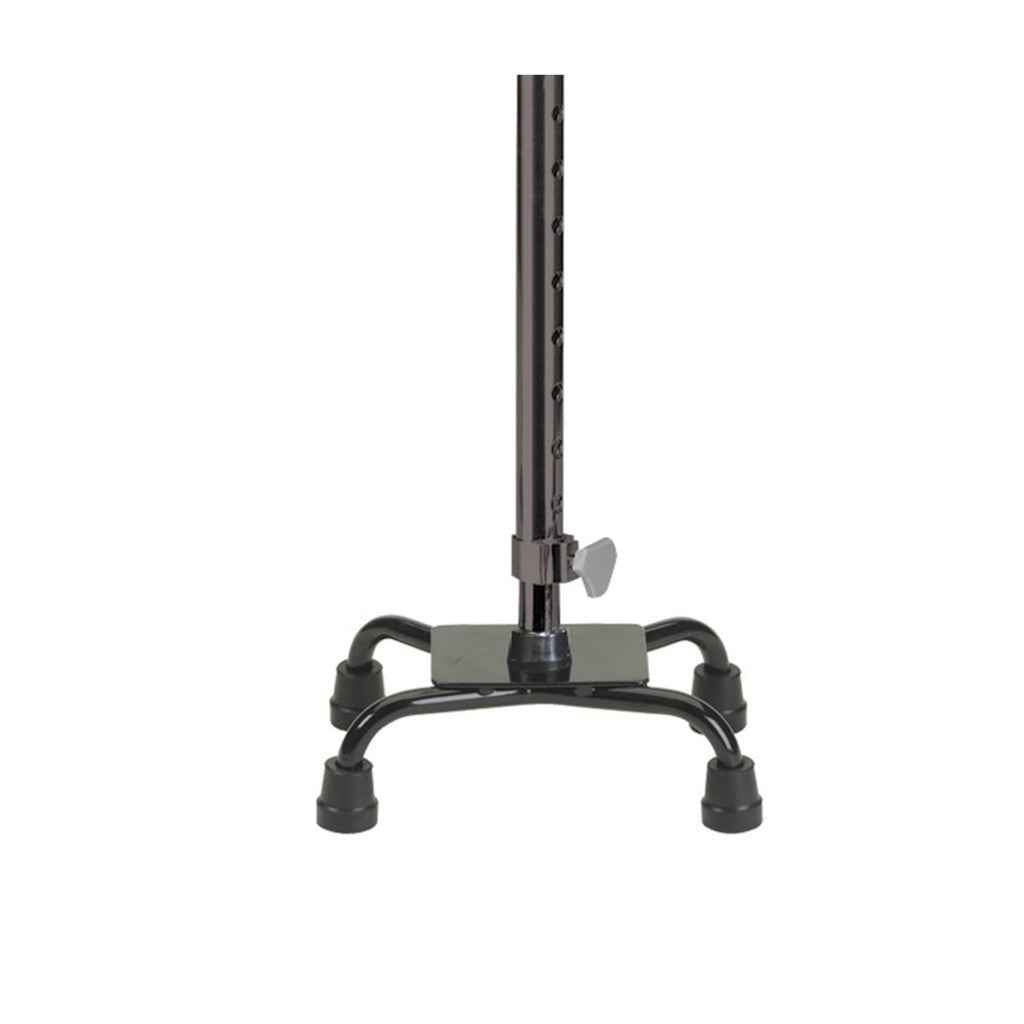
Drive Medical Quad Cane, Small Base, Foam Grip, Canada
Regular price $54.95 CADSale price $54.95 CAD Regular priceUnit price perDrive Medical Quad Cane – Small Base for Stable, Confident Walking The Drive Medical Quad Cane with Small Base delivers the extra stability of a four-point...
-
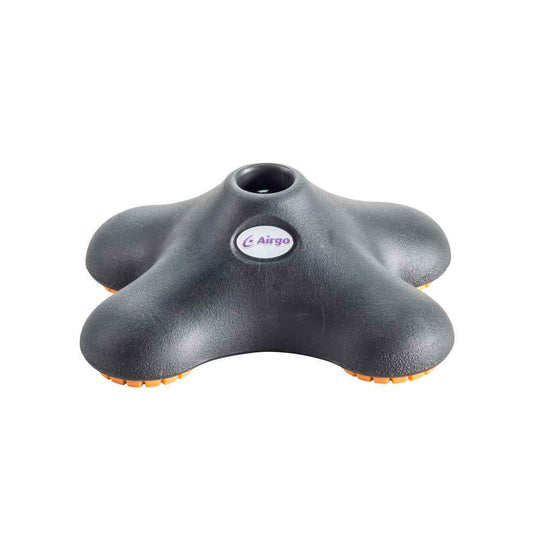
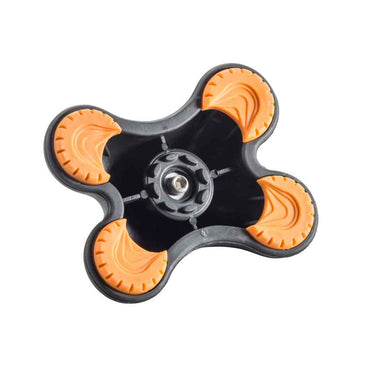
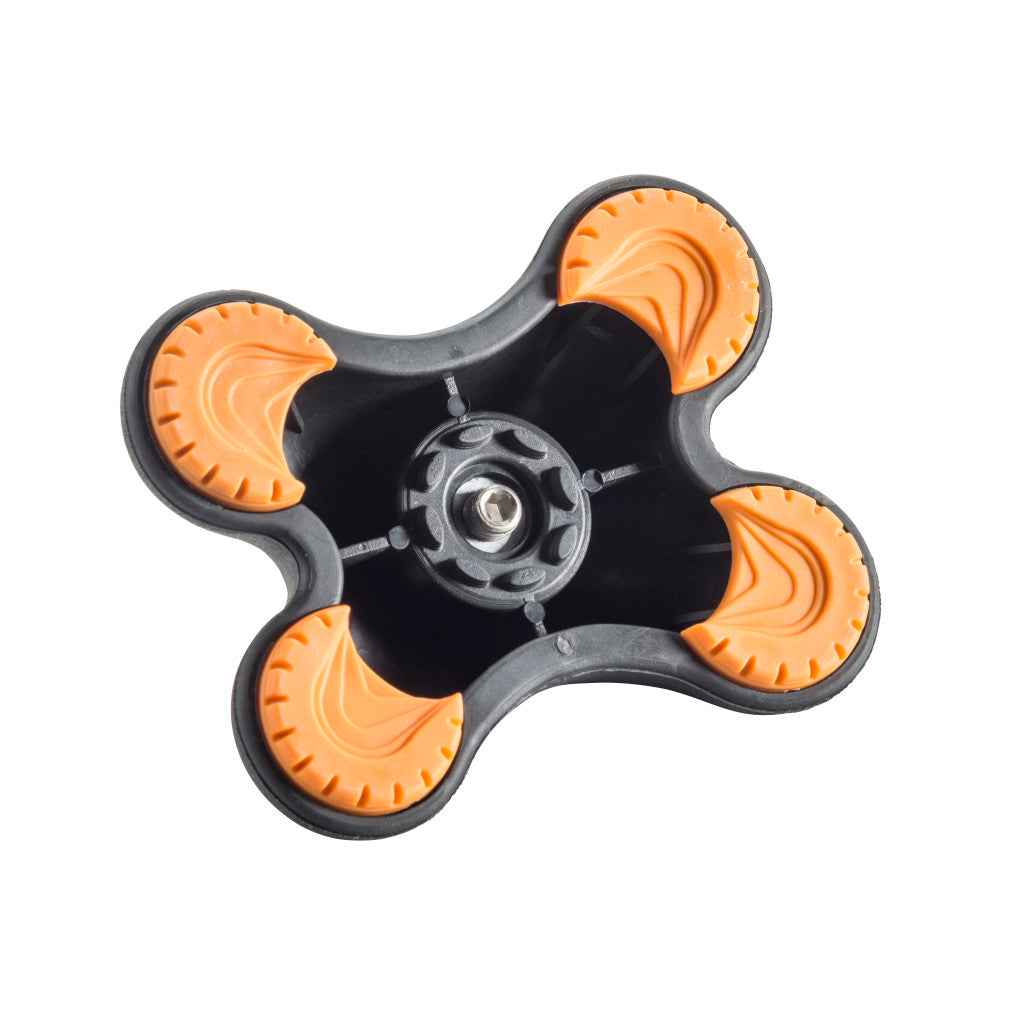
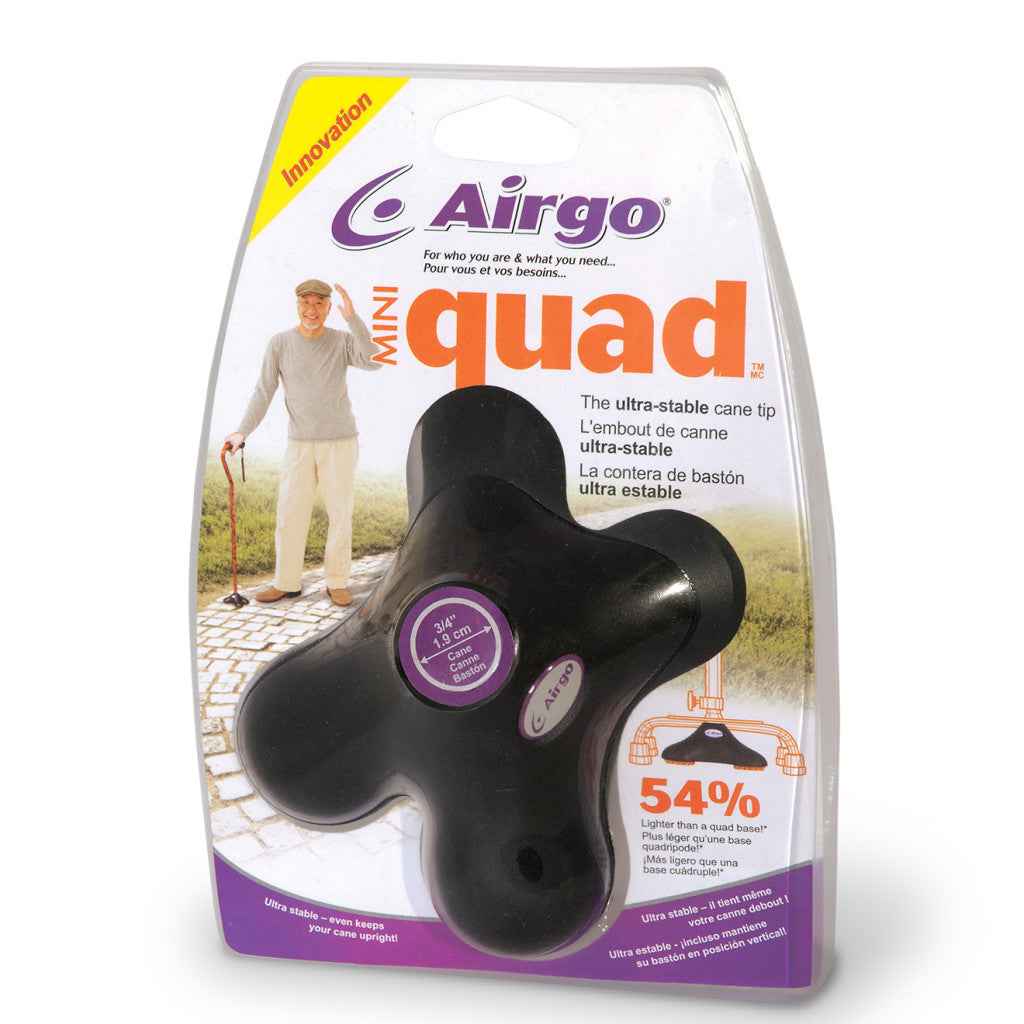 Drive Medical
Airgo MiniQuad Ultra-Stable Cane Tip, Replacement Tip for Canes, Canada
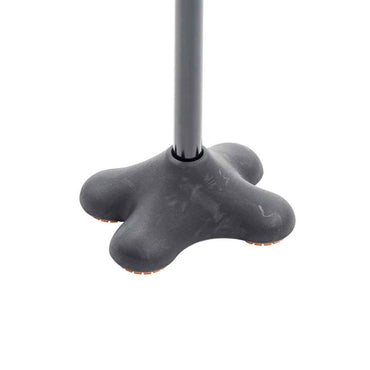
Regular price $29.95 CADSale price $29.95 CAD Regular priceUnit price perAirgo MiniQuad Ultra-Stable Cane Tip – Add Quad-Cane Stability to a Standard Cane The Airgo MiniQuad Ultra-Stable Cane Tip is a small, clever accessory that turns...
-


 Drive Medical
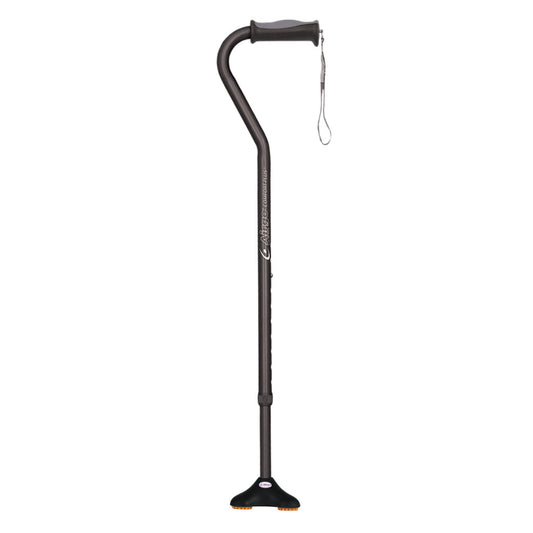
Airgo Comfort-Plus Cane with MiniQuad Ultra-Stable Tip, Adjustable Quad Cane, Canada
Regular price $69.95 CADSale price $69.95 CAD Regular priceUnit price perAirgo Comfort-Plus Cane with MiniQuad Ultra-Stable Tip – Light, Stable, and Easy on the Hand The Airgo Comfort-Plus Cane pairs a popular cushioned-grip offset cane with...
-
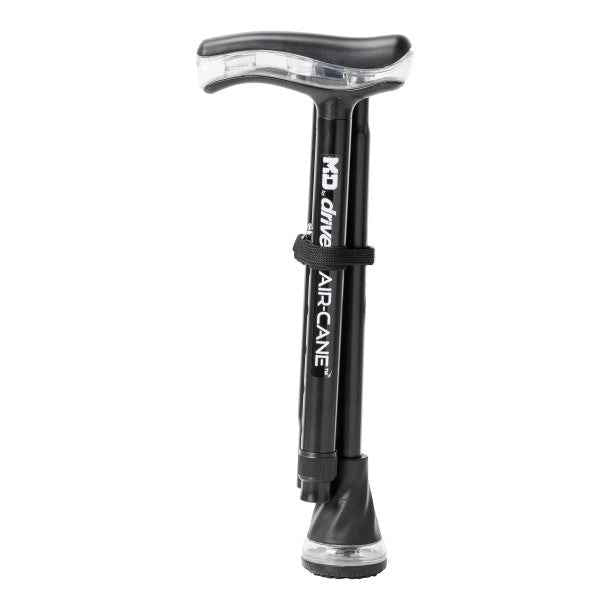
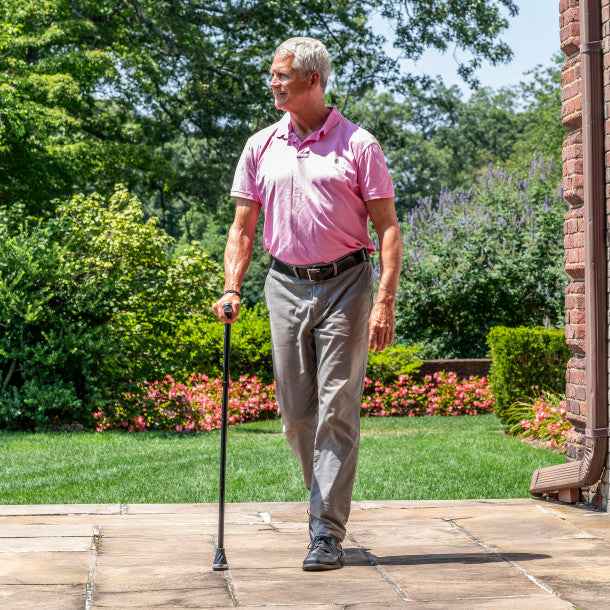

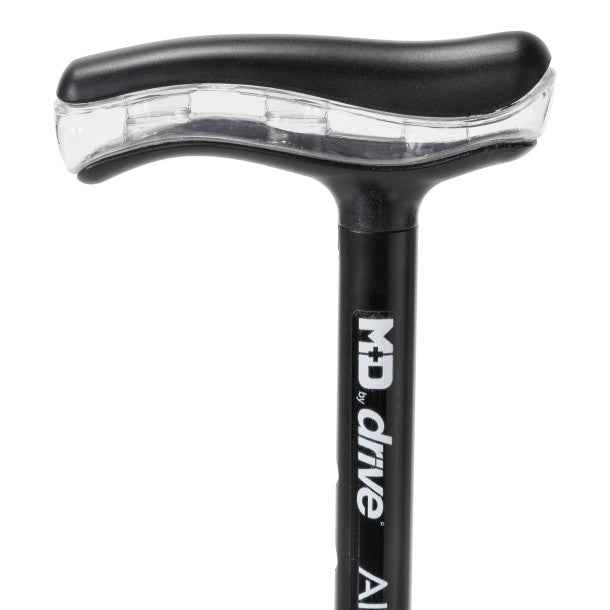 Drive Medical
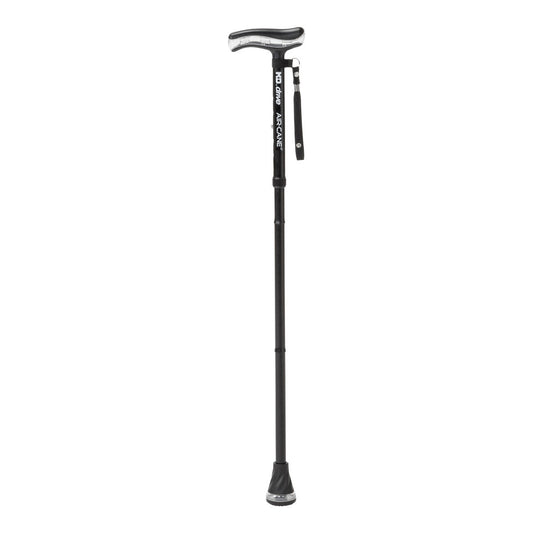
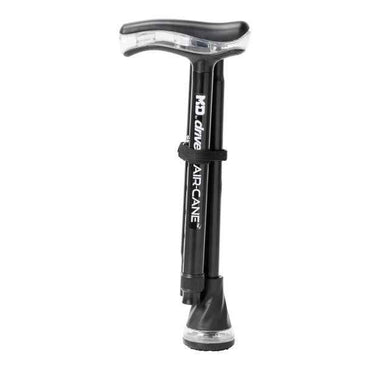
MD by Drive Air-Cane, Folding Cane with Airgonomic Air-Handle, Canada
Regular price $99.95 CADSale price $99.95 CAD Regular priceUnit price perMD by Drive Air-Cane – The Folding Walking Cane That Changes How a Cane Feels Most walking canes are commodities — the MD by Drive Air-Cane...
-
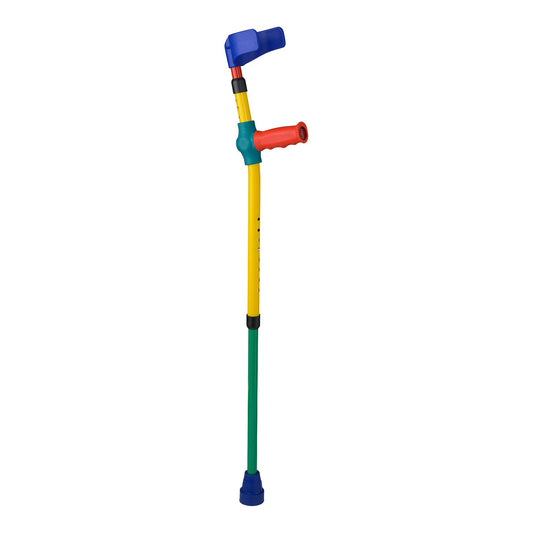 Ossenberg
Ossenberg KIDDY Pediatric Forearm Crutches, Lightweight Kids Crutches, Canada
Regular price $139.99 CADSale price $139.99 CAD Regular priceUnit price perOssenberg KIDDY Pediatric Forearm Crutches The Ossenberg KIDDY is a German engineered forearm crutch sized and shaped for children. The ergonomic cuff follows the natural anatomy...


Canes & Crutches Canada

Choose the support first. Then get the fit right.
A cane is a one-handed walking aid. Crutches use two supports, forearm cuffs, underarm frames, or a specialized knee platform to change how support is shared. Start with the format recommended for the person, then compare fit range, grip, base or cuff style, user weight, and how the aid will be stored.
Cane and crutch are not interchangeable labels
The right starting point is the reason the aid is being used and any weight-bearing instructions already provided. If a clinician prescribed a particular format, follow that plan and use the product comparison below to narrow the practical details.
Choose among cane handles, shafts, and bases
A cane leaves one hand occupied and one ground contact point or base to place. Compare the handle shape, single-point or multi-point base, folding mechanism, height range, and replacement-tip availability.
Crutches need a fit and use plan
Underarm, forearm, and hands-free knee crutches place support differently. Hand strength, arm control, balance, prescribed weight bearing, and the intended route all matter before choosing a model.
A category guide cannot replace an individual fitting or gait assessment. If the aid is for recovery, a new injury, repeated falls, or a major change in walking, ask the prescribing clinician, physiotherapist, or occupational therapist to confirm the format and fit.
The base, handle, and storage format are the real differences
Compare the base, grip, folded size and height range with the user’s needs.

Offset and single-point describe different details
“Offset” describes the shape of the shaft and handle area. “Single-point” describes one point of floor contact. A cane can combine both. Check the exact tip or base shown on each product rather than assuming every offset cane meets the floor the same way.
See an adjustable offset cane in the current collection.
Single-point cane
One tip meets the floor. Check tip condition, handle comfort, height range, and whether the cane can stand nearby when it is not in the user's hand.
Quad or MiniQuad base
A multi-point base uses more than one contact point. Compare the base footprint, orientation, stair clearance, and whether the selected model folds.
Folding cane
Useful when the cane needs to go into a bag or vehicle. Before use, every section must be fully seated and the adjustment button or lock must be secure.
Underarm, forearm, and knee crutches support the body differently
Check the full fit range, handgrip position, tips and capacity. The person must be able to control the crutch style recommended for them.

Underarm crutches still depend on the handgrips
The upper pad is positioned below the armpit; it is not intended to carry body weight directly in the armpit. The handgrips, overall height, and elbow position should be fitted together by the clinician or therapist involved.

Open and closed cuffs are not the same as hands-free
A forearm cuff keeps the crutch positioned near the arm while the hand uses the grip. An open cuff releases more readily; a closed cuff stays around the forearm more securely. Neither removes the need for reliable hand and arm control.
Underarm crutches
Compare overall height range, handgrip adjustment, pad condition, tip condition, and whether the pair matches the user's instructions.
Forearm crutches
Compare open or closed cuff, cuff height, grip shape, shaft range, and the capacity shown for the exact model.
MD by Drive Air Crutch
Drive specifies air-cushioned underarm supports, angled gel handgrips and FlexGrip Air Tips, with a 300 lb user capacity. Confirm the exact fit range and clinician guidance before ordering.
Six details prevent most avoidable mismatches
1. Confirm the prescribed format
Write down cane, underarm crutches, forearm crutches, or another format, plus any weight-bearing instructions that came with it.
2. Check the full fit range
Use the exact model's adjustment range. For a child or small adult, choose by measured fit rather than age alone.
3. Review hand and arm control
Grip weakness, wrist pain, limited elbow motion, or one-sided weakness should be discussed before assuming a different handle, cuff, or pad will solve it.
4. Match the user capacity
Capacity varies by model. Compare the user's current weight with the published rating for that exact cane or crutch; do not use a category-wide estimate.
5. Inspect every ground contact
Tips and multi-point bases should be secure and free of splits, hard worn surfaces, or uneven wear before the aid is used.
6. Plan storage and transport
If it must fit in a bag, car, or tight entryway, check folded length and the steps required to lock it open again.
Frequently asked questions
Which cane and crutch brands do you carry?
The current collection includes Drive Medical products, including Airgo and MD by Drive options, plus Ossenberg forearm crutches. Availability can change, so use the product grid above for the current selection.
Do canes need to be replaced?
There is no single replacement schedule for every cane. Inspect the tip or base, handgrip, adjustment button, shaft, and any folding joints. Replace the worn part or the cane if anything is split, loose, bent, cracked, or no longer locks securely.
Can I use crutches if I have weak grip strength?
Crutches still require dependable hand and arm control. A forearm cuff or padded grip does not remove that requirement, and a hands-free knee crutch is a separate design that is not suitable for everyone. Ask the clinician or therapist involved to review the safest option.
What weight can a cane or crutches support?
Capacity varies by model, so there is no safe category-wide number. Check the published rating on the exact product page and choose a model rated for the user's current weight. Contact Care Made if the rating is unclear.
Are canes and crutches tax free in Canada?
The mobility-aid canes and crutches in this collection are sold without GST or HST. The Canada Revenue Agency zero-rates crutches and canes specially designed for use by an individual with a disability; an ordinary walking stick that is not specially designed may not qualify.
Do you ship canes and crutches across Canada?
Yes. Care Made ships canes and crutches across Canada with free standard shipping on orders over C$100. The service and delivery timing shown at checkout are the current terms for the order.
Still deciding between cane and crutch formats?
Compare the current options above, or contact Care Made with the user's measurements, prescribed format, and any grip or storage concerns.