

Therapeutic Mattresses
Read the buying guideBuying guide- No GST or HST at checkout
- Free shipping
- Delivered and assembled in your home
-
 18% offDrive Medical
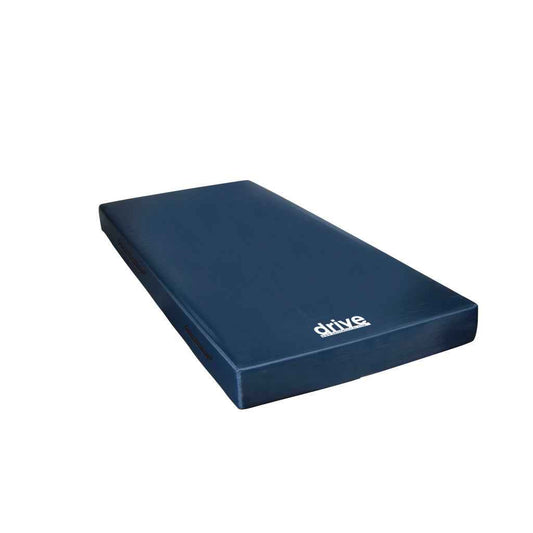
Quick 'N Easy Comfort Mattress by Drive Medical
Regular price $349.00 CADSale price $349.00 CAD Regular price $429.00 CADUnit price perThe Drive Medical Quick ‘N Easy Comfort Mattress is the entry-tier foam option for hospital beds and adjustable home care beds. Latex-free polyurethane foam, non-slip bottom,...
-
 20% offDrive Medical
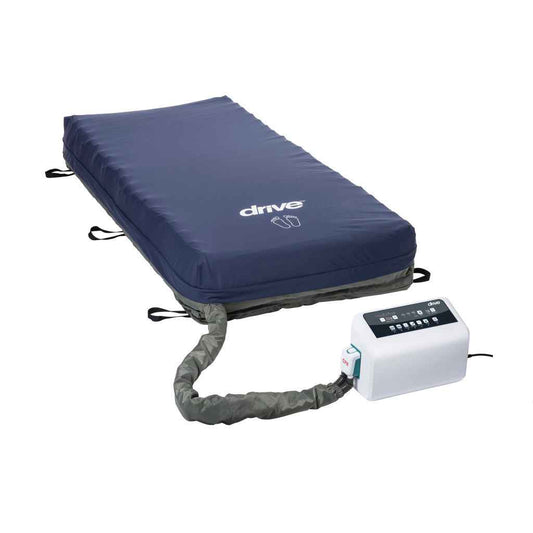
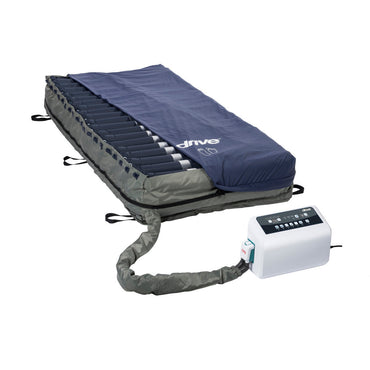
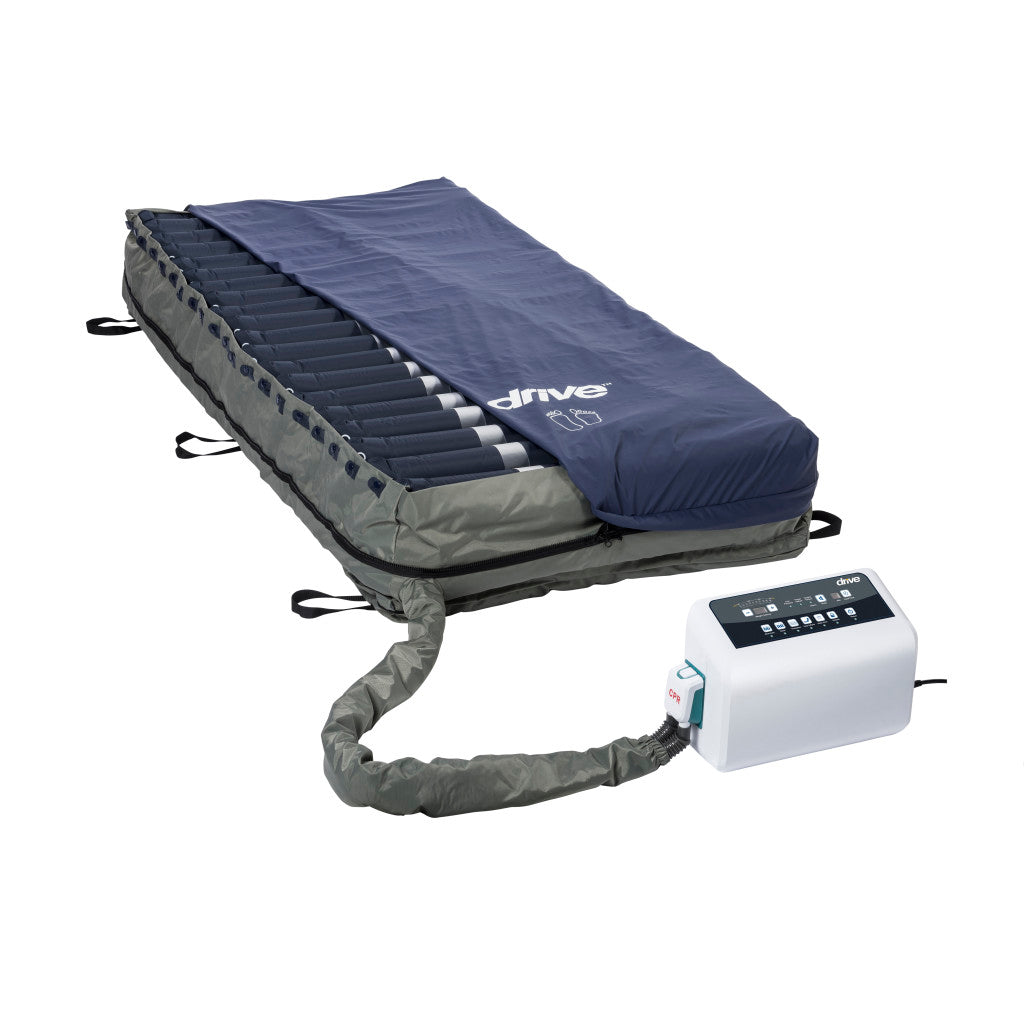
Harmony True Low Air Loss Tri-Therapy Mattress Replacement System
Regular price $3,599.00 CADSale price $3,599.00 CAD Regular price $4,499.00 CADUnit price perThe Drive Medical PreserveTech Harmony True Low Air Loss Tri-Therapy is the premium tier of pressure-injury prevention and care. "True" low air loss, alternating pressure, and...
-
 20% offDrive Medical
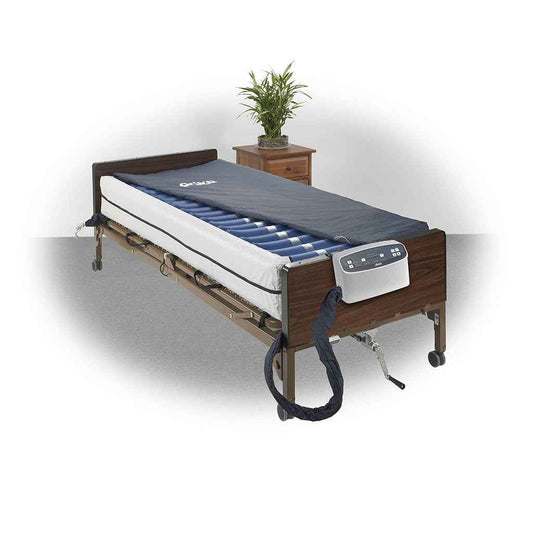
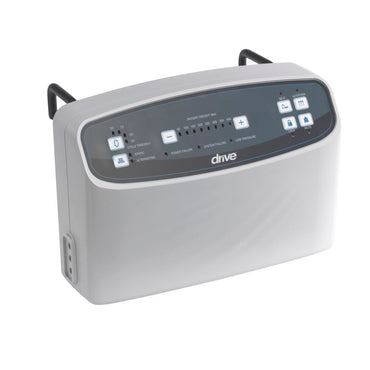
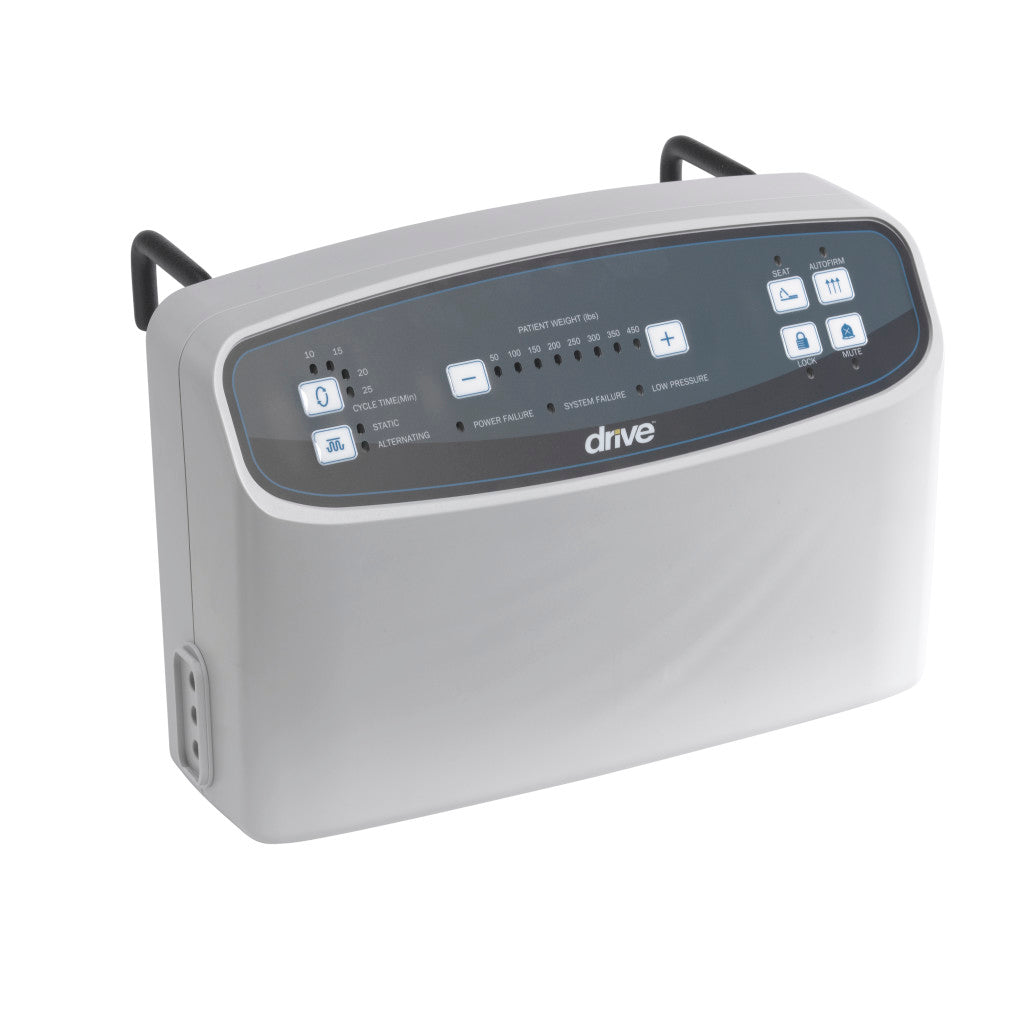
Med-Aire Plus 8" Alternating Pressure and Low Air Loss Mattress System
Regular price $2,799.00 CADSale price $2,799.00 CAD Regular price $3,499.00 CADUnit price perThe Drive Medical Med-Aire Plus 8" is an active alternating pressure plus low air loss mattress system designed to help prevent, treat, and heal pressure injuries...
-
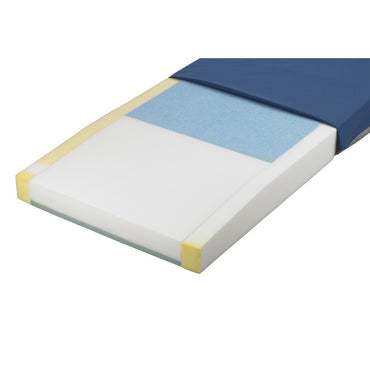
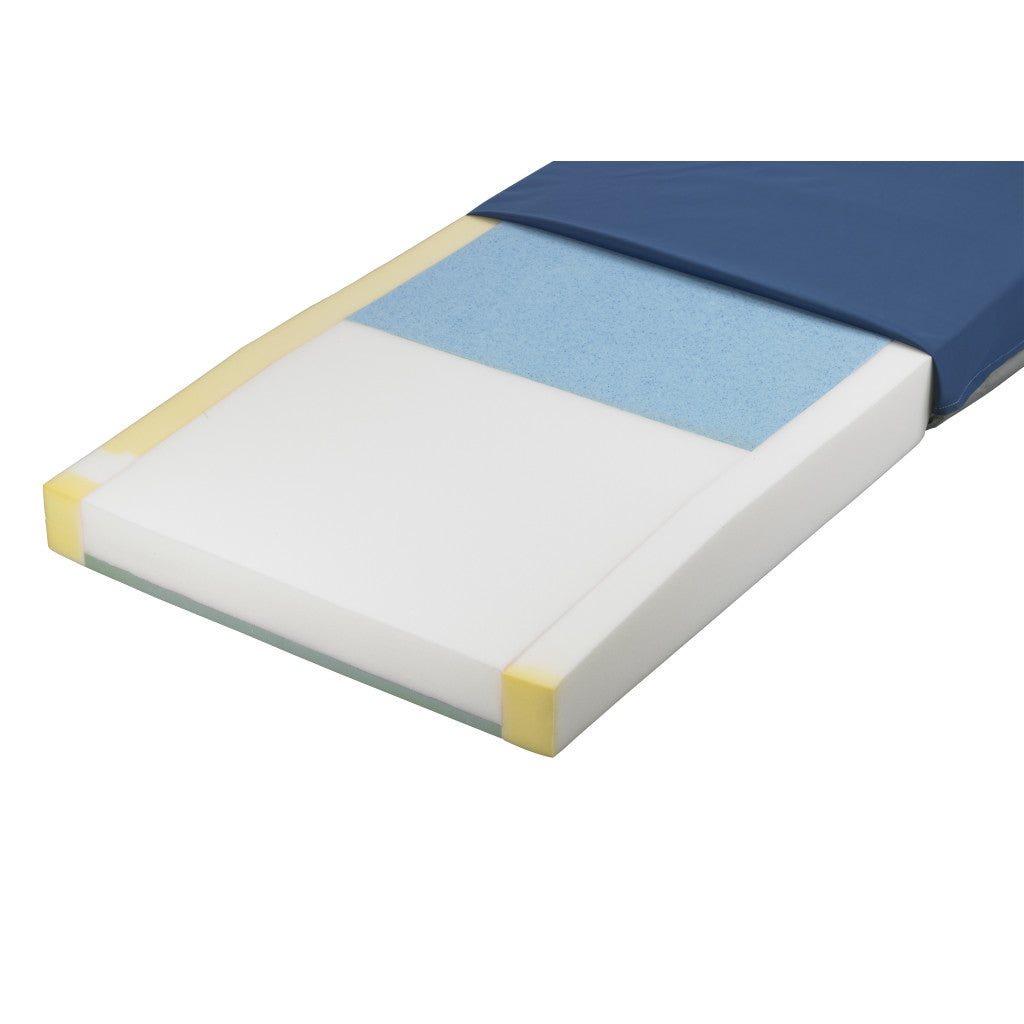 18% offDrive Medical
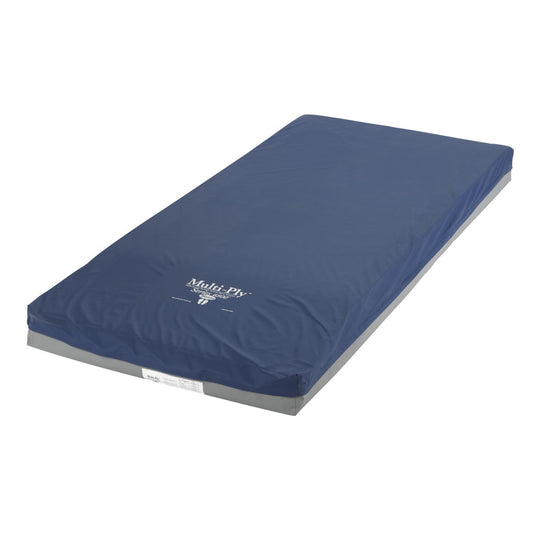
Multi-Ply 6500 Dynamic Elite Pressure Redistribution Foam Mattress
Regular price $649.00 CADSale price $649.00 CAD Regular price $799.00 CADUnit price perThe Multi-Ply 6500 Dynamic Elite is Drive Medical's foam pressure-redistribution mattress for everyday comfort and skin protection. Four full layers of latex-free foam, a cooling gel-infused...
Therapeutic Mattresses

Choose the surface by what it does, not by how soft it sounds
Therapeutic mattresses use different approaches. Some specialized foam surfaces are designed to redistribute pressure without a pump. Powered systems may alternate which air cells support the body, circulate air to help manage heat and moisture at the surface, or combine several functions. Start with the surface type recommended for the person, then confirm bed fit, transfers, cover care, power, and daily operation.
Four surface formats, four different daily routines
Price alone does not tell you which surface is appropriate. The useful first question is whether the recommended surface is basic foam, specialized pressure-redistribution foam, a powered alternating-pressure system, or a low-air-loss system that may combine several modes.
General comfort foam
A simple foam mattress does not cycle or move air. It is an everyday-support option, not a substitute for a specialized pressure-redistribution or powered surface recommended by the clinical team.
Pressure-redistribution foam
Specialized foam layers and shapes can help spread load over a broader area without electricity. Construction, edge feel, cover care, and the exact user capacity still vary by model.
Alternating pressure with low air loss
Alternating pressure changes which air cells are loaded over time. Low air loss is a separate function for managing humidity near the support surface. One system may provide both.
True low air loss with multiple therapy modes
Some systems combine low air loss with additional operating modes. The Drive Medical Harmony True is a therapeutic mattress system. Despite the shared name, it is separate from the Golden Harmony Hi-Low adjustable bed.
Do not choose a surface from wound stage, time in bed, or price alone. Surface selection should follow an individualized assessment that considers mobility, comfort, skin risk, ease of use, repositioning support, and the other surfaces used throughout the day.
Low air loss and alternating pressure are not the same thing

Powered is different, not automatically better
A specialized non-powered foam surface uses its material and shape and does not need electricity. A powered surface adds a pump, tubing, sound, power, and maintenance. Depending on the model, it may also add settings and alarms.
No category is automatically right for every person. Use the recommendation from the clinician or wound-care professional involved, then compare the day-to-day setup.
Helps manage heat and moisture
A low-air-loss system moves air through its surface to help manage heat and moisture where the person meets the mattress. This is often called microclimate management.
Changes which cells support the body
Air-filled cells inflate and deflate in cycles, changing which parts of the surface support more of the body at a given time.
May provide both functions
Read the exact product page and pump controls. A mattress title, price, or the presence of air cells does not tell you every mode it provides.
A therapeutic surface is one part of the pressure-care plan
No mattress can guarantee that a pressure injury will be prevented or healed. A support surface also does not replace individualized repositioning, skin assessment, heel management, moisture care, nutrition, transfer planning, or the instructions of the care team.
Confirm the recommendation. Ask for the surface category or functions the clinician wants, not only a brand name or the phrase “pressure sore mattress.”
Plan the full day. Bed, wheelchair, recliner, and transfer surfaces may all need consideration; changing the mattress addresses only one part of the routine.
Know who will check it. A powered system needs a user or caregiver who can recognize alarms, confirm settings, inspect the cover and tubing, and follow the manufacturer's instructions.
Confirm the complete bed setup
1. Bed platform size
Measure the flat platform that supports the mattress, including its exact width and length. Do not rely only on names such as Twin or hospital-bed size.
2. Surface height
Include the mattress height when reviewing transfers, rails, retainers, and the relationship between the surface and bed frame.
3. Exact user capacity
Check the limit for the selected model and size. A category-wide number is not a safe substitute.
4. Transfer routine
Discuss edge stability, mattress height, and any transfer aids with the occupational therapist or clinician involved.
5. Pump and power
Identify a grounded outlet, pump location, safe tubing route, acceptable sound level, and the plan for alarms or an outage.
6. Cover and linens
Check the exact cleaning instructions, replacement-cover availability, and any linen guidance supplied with the surface.
Frequently asked questions
What is a therapeutic mattress?
A therapeutic mattress is a specialized support surface selected for a particular care need, such as pressure redistribution or heat and moisture management. Some are non-powered foam surfaces and others use powered air. People often search for a “pressure sore mattress,” but the correct choice depends on an individualized clinical and practical assessment.
What is a low air loss mattress?
A low-air-loss mattress is a powered therapeutic surface that moves air through its system to help manage heat and moisture where the person meets the mattress. Check the exact model because not every air mattress provides the same airflow function.
What is the difference between low air loss and alternating pressure?
Low air loss is a microclimate function. Alternating pressure cyclically changes which air cells are inflated and loaded. A powered mattress may provide one, both, or additional modes, so compare the exact product and pump controls.
Can a therapeutic mattress prevent or heal a pressure injury?
No mattress can guarantee prevention or healing. The right support surface may form part of an individualized pressure-injury prevention or treatment plan, but it does not replace skin assessment, repositioning, moisture and nutrition care, heel management, or clinical instructions.
What should I plan for when using a powered mattress at home?
Plan a suitable outlet, a secure location for the pump, a tubing route that will not be pinched or create a hazard, and a user or caregiver who can respond to settings or alarms. Follow the exact model's instructions for cleaning and power interruptions.
Will a therapeutic mattress fit any hospital bed?
No. Match the exact bed-deck width and length, then review mattress height, retainers, rails, user capacity, and the manufacturer's compatibility instructions. Ask Care Made to check the model if any part of the bed setup is uncertain.
Compare the surface type, then confirm the complete setup
Review the current therapeutic mattresses, or call Care Made with the bed dimensions and any surface recommendation from the clinician involved.